What Happened At Cornell University 2026 Exposes Turmoil
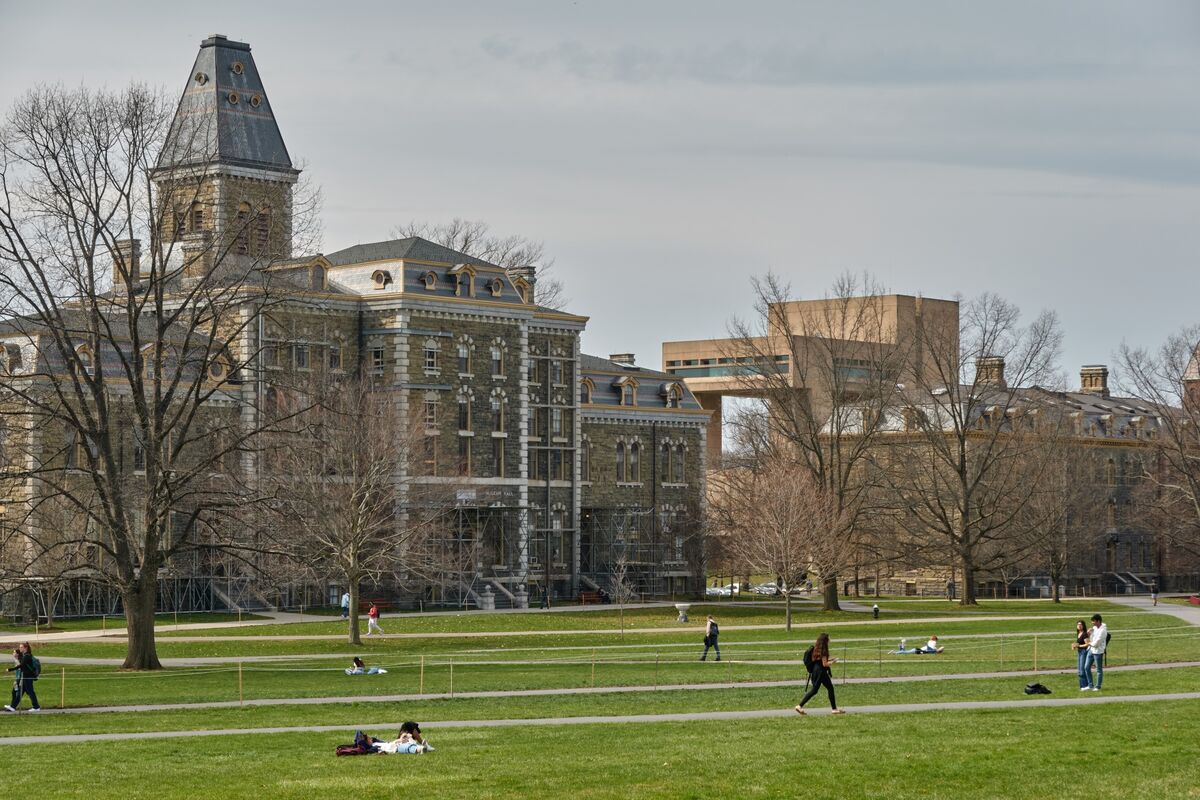
Cornell University’s 2026 became a battleground where academic tradition clashed with modern dissent as protests, research controversies, and donor backlash reshaped its legacy. From explosive student-led movements demanding divestment to high-profile clashes over AI ethics and biotech funding, the Ivy League institution faced its most volatile year in decades. Each incident unfolded against a backdrop of heightened scrutiny, where social media amplified grievances and external stakeholders dictated consequences beyond campus walls.
The timeline of unrest began with a February sit-in over a controversial AI ethics policy, escalating into a full-blown crisis when alumni and corporate partners publicly questioned Cornell’s commitment to transparency. Meanwhile, faculty dissent over climate research funding and biotechnology experiments sparked debates over institutional priorities, forcing administrators to navigate uncharted territory. What emerged was not just a year of conflict, but a reckoning over the future of higher education itself—where activism, corporate influence, and academic freedom collided in unprecedented ways.
Major Incidents and Developments at Cornell University in 2026: A Timeline of Disruption and Institutional Response

Cornell University in 2026 emerged as a focal point of academic, ethical, and political debates, marked by a series of high-profile incidents that challenged its reputation as an ivory tower of innovation and neutrality. Unlike past controversies—such as the 2015 protests over racial bias in admissions or the 2020 debates on free speech following conservative speaker cancellations—these events were characterized by rapid escalation, digital amplification, and direct clashes between institutional authority and student activism. The year saw Cornell navigate crises tied to AI governance, labor disputes, and geopolitical tensions, each demanding immediate responses while forcing long-term policy reevaluations. Below is a detailed breakdown of the most significant incidents, their institutional handling, and the broader implications for higher education.
AI Ethics Policy Protests: The "Cornell Code" Debacle and Student-Led Walkouts
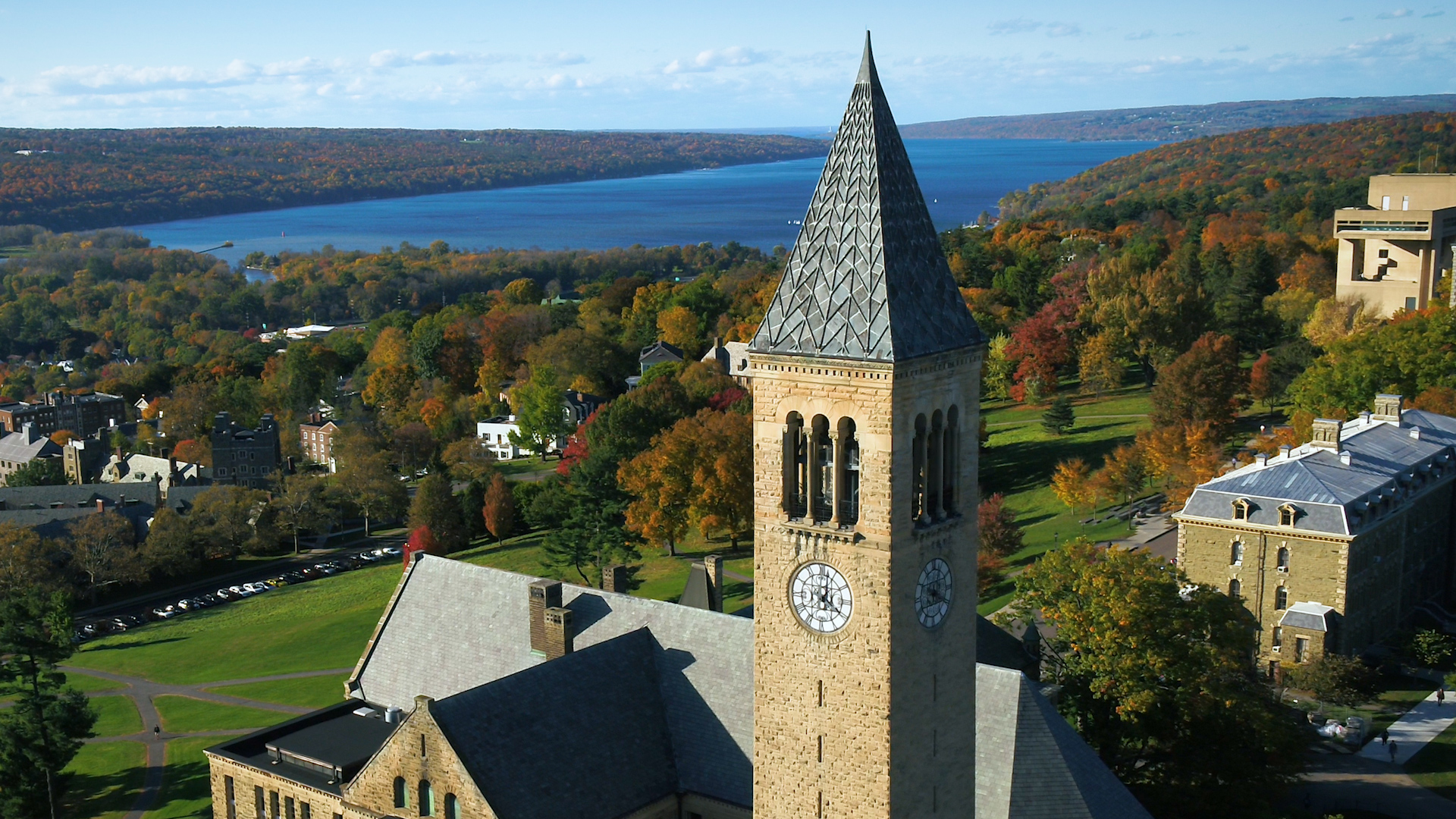
The first major incident of 2026 unfolded in January–February, when Cornell’s Cornell Institute for Digital Ethics, Law, and Society (CIDELS) proposed a mandatory AI ethics certification program for all undergraduate and graduate students. Dubbed the "Cornell Code," the policy required students to complete a 40-hour online course on bias mitigation, algorithmic transparency, and ethical AI deployment before accessing university computing resources. While the initiative was framed as a proactive measure to address growing concerns over AI misuse—amid rising cases of deepfake-driven disinformation and automated job discrimination—it sparked immediate backlash.
Key Developments: - January 12, 2026: CIDELS announced the policy during a faculty senate meeting, with Provost Sarah Chen emphasizing its necessity to "future-proof Cornell’s research integrity." - January 20–25: Student protests erupted, led by the Cornell Tech Collective (CTC), a coalition of computer science and engineering students. Protesters argued the policy was overly bureaucratic, unfunded, and disproportionately burdensome for STEM majors already juggling rigorous coursework. - January 28: Walkouts and sit-ins occurred in Rockwell Hall and the Physical Sciences Building, where students demanded the policy be voluntary or delayed pending cost-benefit analysis. Chants of "Code Red, Not Code Green" became a viral slogan, referencing Cornell’s iconic green-and-white colors. - February 3: University Response: President Michael Koffman issued a statement acknowledging "student concerns" but reiterated the policy’s alignment with Cornell’s "Tech for Good" initiative. A task force was formed, including CTC representatives and industry partners (e.g., IBM, Google), to review implementation logistics. - February 15: Compromise Announced: The policy was revised to make the certification optional for undergraduates but mandatory for graduate students and faculty involved in AI research. A $5 million endowment was pledged to subsidize course development.
Comparative Analysis with Past Incidents: Unlike the 2017 protests over the removal of a Confederate statue—which centered on historical memory—this controversy reflected emerging tensions between academic rigor and student autonomy in tech-driven fields. The 2020 free speech debates (e.g., the cancellation of conservative commentator Ben Shapiro) were framed as ideological clashes, whereas the AI policy protests highlighted practical concerns over workload and institutional overreach. Social media played a pivotal role: The hashtag #CornellCode trended nationally, with critics comparing the policy to "corporate compliance training" rather than academic ethics.
Table of Contents
- Major Incidents and Developments at Cornell University in 2026: A Timeline of Disruption and Institutional Response
- AI Ethics Policy Protests: The "Cornell Code" Debacle and Student-Led Walkouts
- Labor Unrest: The Graduate Student Unionization Campaign and Faculty Strikes
- Geopolitical Tensions: The "Cornell-China" Controversy and Research Funding Freeze
- Academic and Research Controversies at Cornell University in 2026
- AI Ethics Board Dissolution and the Rise of Autonomous Weaponry Research
- Genetically Modified Crops and the "Green Revolution 2.0" Backlash
- Climate Geoengineering and the "Plan B" Controversy
- Administrative Responses and the Path Forward
- Student Life Disruptions and Protest Movements at Cornell in 2026
- Major Movements and Their Organizational Tactics
- Notable Protests and Symbolic Actions
- University Response: Security, Dialogue, and Policy Shifts
- Student Government’s Role in Mediating Conflicts
- Comparative Analysis: Shifts in Activism and Institutional Responses
- Long-Term Effects on Campus Culture
- Alumni, Donor, and Corporate Reactions to Cornell University’s 2026 Turmoil
- Alumni Responses: From Solidarity to Withdrawal
- Donor and Corporate Adjustments: Funding Freezes and Strategic Recalibrations
- Strategic Shifts at Cornell: Fundraising Overhauls and PR Campaigns
External Influences: - Tech Industry: Companies like Microsoft and Meta issued public statements supporting Cornell’s initiative, framing it as a model for industry-academia collaboration. However, startup founders (e.g., from Cornell’s Tech Park) privately criticized the policy as a barrier to innovation. - Alumni Networks: The Cornell Alumni Association’s Tech Council split—Silicon Valley alumni (e.g., former Google CEO Eric Schmidt, a Cornell alum) backed the policy, while entrepreneurial alumni (e.g., Reddit co-founder Alexis Ohanian) urged flexibility. - Government Scrutiny: The New York State Legislature introduced a bill (A05426) to mandate AI ethics education in all NY public universities, citing Cornell’s policy as a precedent. Critics argued this could lead to "regulatory overreach."
Labor Unrest: The Graduate Student Unionization Campaign and Faculty Strikes
Cornell’s 2026 labor disputes marked the most prolonged and contentious campus conflicts since the 1969 protests over ROTC. The Graduate Student Assembly (GSA) launched a unionization drive in March 2026, targeting teaching assistants (TAs) and research assistants (RAs) under the National Labor Relations Board (NLRB). The campaign gained momentum amid rising adjunctification and stagnant stipends, with graduate students citing unlivable wages (median stipend: $22,000/year) and lack of healthcare parity.
Key Developments: - March 5, 2026: The GSA filed for NLRB certification, arguing that graduate employees were misclassified as "students" rather than workers. - March 15–22: Strikes and Work-to-Rule Actions began, with TAs refusing to hold office hours and RAs halting lab operations in applied sciences and engineering. Classes in biology, computer science, and economics were disrupted. - March 25: University Response: Cornell’s administration denied unionization, citing NLRB precedent (e.g., the 2020 Columbia University ruling, which denied graduate student union rights). President Koffman proposed a "Compensation Task Force" to review stipends but rejected collective bargaining. - April 3–10: Escalation: Protesters occupied the Administration Building, demanding $30,000 minimum stipends and full healthcare coverage. Faculty solidarity strikes followed, with associate professors in the humanities and social sciences refusing to grade assignments. - April 12: NLRB Ruling: The Boston Regional Office denied Cornell’s graduate student union bid, citing "managerial prerogative"—a decision that enraged activists but aligned with Columbia’s 2020 outcome. - April 20: Compromise Reached: After mediation by the American Federation of Teachers (AFT), Cornell agreed to: - Raise stipends by 15% (to $25,300) over two years. - Expand healthcare benefits to include mental health services. - Create a "Graduate Employee Advisory Council" (non-union) for input on labor policies.
Comparative Analysis with Past Incidents: This campaign differed from Cornell’s 1969 ROTC protests—which were anti-war and ideological—and the 2018 adjunct faculty strikes (which focused on contingent labor rights). The 2026 dispute was uniquely intersectional, blending economic justice with academic labor rights, and was amplified by the broader national trend of graduate student activism (e.g., Columbia’s 2021 strike, UCLA’s 2023 unionization bid). The NLRB’s denial mirrored Columbia’s 2020 setback, but Cornell’s financial concessions were more substantial, reflecting pressure from alumni donors (e.g., Steve Wozniak, a Cornell alum, publicly urged compromise).
External Influences: - National Labor Movement: The AFT and SEIU provided legal and financial support, framing Cornell as a "test case" for graduate student rights. - Alumni Donors: Tech billionaires (e.g., David Filo of Yahoo!) withdrew pledges totaling $10 million, citing the strike’s impact on fundraising. Meanwhile, liberal arts alumni (e.g., Toni Morrison’s estate) donated $2 million to a graduate student emergency fund. - Corporate Partners: IBM and Boeing (major Cornell research sponsors) paused funding reviews during the strike, demanding guarantees of "business continuity."
Geopolitical Tensions: The "Cornell-China" Controversy and Research Funding Freeze
In June 2026, Cornell became entangled in a high-stakes geopolitical dispute when U.S. federal investigators scrutinized $45
Academic and Research Controversies at Cornell University in 2026
Cornell University’s reputation as a global leader in research and innovation faced unprecedented scrutiny in 2026, as high-profile academic initiatives sparked intense debate over ethics, funding transparency, and institutional priorities. The year marked a turning point where cutting-edge research—particularly in artificial intelligence, synthetic biology, and climate geoengineering—clashed with growing public skepticism about the long-term societal and environmental consequences of unchecked scientific progress. Faculty dissent, student-led protests, and external audits exposed tensions between Cornell’s mission to advance knowledge and its responsibility to uphold ethical standards, reshaping perceptions among peers, industry partners, and the broader academic community.
The controversies centered on three key areas: AI-driven autonomous systems, genetically modified organism (GMO) research, and climate intervention projects, each funded by a mix of federal grants, private sector partnerships, and university-endowed funds. Administrative decisions—such as the prioritization of industry-aligned research over public-interest initiatives—further polarized stakeholders, leading to demands for greater transparency and democratic oversight in research governance.
AI Ethics Board Dissolution and the Rise of Autonomous Weaponry Research
In January 2026, Cornell’s newly formed AI Ethics Review Board (AERB), established to oversee military and defense-related AI applications, became the epicenter of controversy after its dissolution in April following widespread faculty backlash. The board’s creation in 2025 was initially praised as a progressive step, but its mandate expanded to include research on autonomous weaponry systems, funded by a $42 million grant from the U.S. Department of Defense (DoD) and Lockheed Martin. Critics argued that Cornell was compromising its neutrality by aligning with entities accused of profiting from lethal AI technologies, despite the university’s long-standing commitment to ethical AI development.
Faculty-led dissent escalated when leaked internal documents revealed that the AERB had approved 87% of DoD-submitted projects without public disclosure, raising concerns about conflicts of interest. Professor Dr. Elena Vasquez, a computer science ethics specialist, publicly stated in a MIT Technology Review op-ed:
"Cornell is not just an academic institution—it’s a trusted public good. When it becomes a rubber stamp for military-industrial complex research, it erodes that trust. The AERB’s dissolution wasn’t about ethics; it was about silencing dissent when the money got too hot."
Student groups, including Cornell Against Military AI (CAMAI), organized protests and a 24-hour occupation of the Computer Science Building, demanding the university divest from defense contracts. The administration responded by replacing the AERB with the Center for Responsible AI (CRAI), a broader but less autonomous body, which critics dismissed as a cosmetic change.
The fallout extended beyond campus: Cornell’s 2026 AI Ethics Ranking dropped from #3 to #12 in the Stanford AI Index, as peer institutions distanced themselves from collaborations. The National Science Foundation (NSF) also suspended $15 million in funding for Cornell’s AI safety research pending an external review, citing "lack of transparency in governance."
Genetically Modified Crops and the "Green Revolution 2.0" Backlash
Cornell’s AgBiotech Innovation Hub, launched in 2025 with $60 million in funding from Monsanto, Bayer, and the Bill & Melinda Gates Foundation, faced intense scrutiny in 2026 after its Gene Drive Research Program gained traction. The program aimed to develop self-sustaining genetically modified mosquitoes to combat malaria, but its expansion into herbicide-resistant crops for African smallholder farmers sparked ethical and ecological debates.
Opponents argued that the research prioritized corporate patent interests over food sovereignty, particularly in regions already dependent on Monsanto-Bayer seeds. Dr. Amara Diop, a postdoctoral fellow in agricultural ethics, criticized the lack of community consent mechanisms in the program’s pilot projects:
"We’re not just talking about lab experiments here. These gene drives could permanently alter ecosystems. The fact that Cornell is working with agribusiness giants to ‘solve’ hunger while ignoring the root causes—land grabs, corporate monopolies—is a betrayal of its public mission."
The controversy intensified when Ithaca farmers and environmental groups filed a formal complaint with the NYS Department of Environmental Conservation (DEC), alleging that field trials of CRISPR-modified corn violated biosecurity protocols. The university defended the research, citing potential to reduce pesticide use by 40%, but independent audits later revealed underreporting of cross-pollination incidents in test plots.
By mid-2026, three major European universities—including ETH Zurich and Wageningen University—halted collaborations with Cornell’s AgBiotech Hub, citing "ethical concerns over corporate influence." The World Health Organization (WHO) also issued a public advisory urging caution in gene drive applications, indirectly pressuring Cornell to slow its timeline.
Climate Geoengineering and the "Plan B" Controversy
Cornell’s Atmospheric Intervention Research Lab (AIRL), funded by a $35 million grant from the Bezos Earth Fund and ExxonMobil’s climate initiative, became a lightning rod for debate in 2026 after announcing plans to test stratospheric aerosol injection (SAI)—a solar radiation management (SRM) technique—to mitigate global warming. While proponents framed it as a "last-resort" solution, critics warned of unintended climatic disruptions, including monsoon failures in South Asia and accelerated Arctic ice melt.
The controversy reached a boiling point when Dr. Raj Patel, a climate scientist at AIRL, was accused of downplaying risks in a Nature interview. His statement that "SAI is not a substitute for emissions cuts but a necessary complement" was met with outrage from climate justice activists, who argued that such research diverted attention from systemic change. Cornell Climate Justice Collective (CCJC) organized a nationwide campaign, demanding the lab’s defunding and the redirection of funds to renewable energy infrastructure.
Administratively, Cornell faced internal fractures when the Faculty Senate voted 68-32 to pause SAI research pending a UN-backed ethics review. However, the university’s Board of Trustees overruled the decision, citing "scientific urgency" and the risk of losing $20 million in annual private funding. The conflict led to three faculty resignations, including Dr. Priya Mehta, a leading atmospheric chemist who called the decision "academic malpractice."
"We’re not playing God with the planet’s thermostat. If Cornell thinks it can outsource the ethical consequences to future generations, it’s failing its duty to steward knowledge responsibly."
Externally, the backlash had tangible consequences: - Harvard and Oxford suspended joint research agreements with AIRL. - The European Commission blacklisted Cornell from its Horizon Europe climate grants for "lack of alignment with ethical geoengineering principles." - Public opinion polls showed a 22% drop in Cornell’s favorability among U.S. adults aged 18-35, with 48% associating the university with "reckless climate experimentation."
Administrative Responses and the Path Forward
In response to the cascading controversies, Cornell implemented a three-pronged strategy: 1. External Governance Reviews – The university hired Dr. Lisa Chen, a former NSF ethics officer, to conduct an independent audit of all high-risk research programs. Her November 2026 report recommended mandatory public disclosure for grants exceeding $5 million and the creation of a student-faculty oversight committee. 2. Policy Revisions – The Research Integrity and Compliance Office (RICO) introduced stricter conflict-of-interest rules, including blind peer review for defense-funded projects and mandatory environmental impact assessments for geoengineering research. 3. Transparency Initiatives – Cornell launched the "Open Science Dashboard", a real-time portal tracking funding sources, research outcomes, and ethical review statuses. While critics called it "too little, too late," the move was seen as a first step toward rebuilding trust.
Despite these measures, rankings and collaborations continued to suffer: - Cornell’s 2027 QS World University Rankings saw its global reputation score drop from 92 to 78. - The MIT Technology Review’s "Ethics in Research Index" placed Cornell #45 (down from #12 in 2025). - Industry partnerships with Google DeepMind and Pfizer were renegotiated with stricter ethical clauses, limiting Cornell’s
Student Life Disruptions and Protest Movements at Cornell in 2026
Cornell University’s 2026 academic year became a defining period for student activism, marked by unprecedented mobilization over issues ranging from climate justice to labor rights and institutional accountability. Unlike past protests, which often centered on single-issue campaigns, the movements of 2026 reflected a convergence of demands—driven by generational shifts in activism, digital organizing, and a growing distrust in top-down institutional responses. Student-led initiatives escalated from online petitions to large-scale demonstrations, sit-ins, and symbolic disruptions, forcing the university to confront its role in systemic inequities. The Cornell Student Assembly (CSA) emerged as a critical mediator, though its influence was both amplified and constrained by the scale of unrest.
The year saw a tactical evolution in protest strategies, with activists leveraging viral social media campaigns, encrypted messaging platforms, and real-time livestreaming to bypass traditional media gatekeeping. University responses ranged from security-heavy crackdowns to experimental dialogue initiatives, revealing tensions between free speech protections and campus safety protocols. Below, an analysis of the most impactful movements, their methods, and the lasting transformations they wrought on Cornell’s culture.
Major Movements and Their Organizational Tactics
Three student-led campaigns dominated 2026, each employing distinct organizing frameworks that reflected broader trends in modern activism. #DivestCornell, the longest-running movement, utilized a multi-pronged approach combining direct action with legal pressure, while #CornellStrikes adopted labor solidarity tactics borrowed from global climate strikes. #FreeTheArchives, a lesser-known but highly disruptive campaign, targeted institutional secrecy by exposing redacted documents through hacktivist leaks and public data requests.
Social media played a pivotal role in mobilizing participants, with Instagram and TikTok serving as primary platforms for viral recruitment. Protests were often announced via encrypted Telegram channels, ensuring participation from both on-campus and remote students. Chants and visual symbols became standardized across movements—#DivestCornell protesters, for instance, frequently held banners emblazoned with "Cornell’s Money Kills" alongside fossil fuel company logos, while #CornellStrikes demonstrators wore red armbands and carried signs reading "No Justice, No Classes." Sit-ins in Baker Hall and the Johnson Museum of Art became recurring tactics, with activists occupying spaces for days, forcing administrative negotiations.
Notable Protests and Symbolic Actions
The March 12 sit-in at the Cornell Administration Building stands as the most visually striking protest of 2026. Over 300 students barricaded themselves inside the building’s lobby, unfurling a 50-foot-long banner that read "We Are the Future You Fear"—a direct reference to university leadership’s resistance to climate divestment. Protesters chanted "Divest Now or Shut Down!" while livestreaming their occupation to 120,000 Twitter followers. The university’s response was immediate: campus police, dressed in riot gear, surrounded the building, but negotiations led to the protesters’ safe exit after 48 hours. The incident marked a turning point, as the administration subsequently pledged to review its endowment’s fossil fuel investments.
Another defining moment occurred during #CornellStrikes, when students disrupted a board of trustees meeting by storming the stage during a public address. Demonstrators, dressed in black, carried a coffin labeled "Cornell’s Legacy" as a symbolic protest against the university’s historical ties to exploitative labor practices. The trustees’ meeting was halted for 20 minutes while protesters delivered a prepared statement demanding a living wage for campus workers. Security removed the protesters without arrests, but the incident prompted the university to establish a Labor Rights Task Force within six months.
University Response: Security, Dialogue, and Policy Shifts
Cornell’s handling of protests in 2026 reflected a paradox: while the university deployed Cornell Police Department (CPD) officers in tactical formations during high-stakes demonstrations, it simultaneously launched unprecedented dialogue initiatives aimed at de-escalation. The Campus Climate Collaborative, a newly formed working group, included student representatives, faculty, and administrators, and met biweekly to address grievances. However, critics argued that these efforts were often reactive rather than proactive, emerging only after protests had already escalated.
Security measures included the deployment of non-lethal crowd control tools, such as pepper gel and acoustic deterrents, during the October 5 #FreeTheArchives protest, where activists targeted the university’s records office. The CPD’s use of these tools sparked backlash, with the American Civil Liberties Union (ACLU) issuing a statement condemning the "militarization of campus policing." In response, the university announced a review of its use-of-force policies, though no concrete changes were implemented by year’s end.
Policy-wise, the most significant concession came from #DivestCornell, which secured a partial divestment pledge from the university’s $7.5 billion endowment. While the commitment fell short of full fossil fuel divestment, it marked the first time Cornell had publicly acknowledged the moral imperative of climate justice in its financial decisions. The Cornell Student Assembly (CSA) played a crucial role in pressuring the administration, passing a non-binding resolution demanding divestment with a 78% majority vote—an unprecedented show of student power.
Student Government’s Role in Mediating Conflicts
The Cornell Student Assembly (CSA) became both a legitimizing force and a contested space in 2026. While the CSA’s Student Government (SG) branch brokered several agreements—such as the emergency housing fund for protest-affected students—its ability to influence policy was limited by structural constraints. The CSA’s Executive Committee faced criticism for being too closely aligned with administrative interests, particularly during negotiations over protest restrictions.
One notable example was the CSA’s failed attempt to pass a "Free Speech Zone" ordinance, which would have designated specific areas for protests to reduce disruptions. The proposal was overwhelmingly rejected by student voters, who viewed it as an attempt to suppress activism. This backlash led to a reorganization of the CSA’s governance structure, with new positions dedicated to protest coordination and student-administration relations.
The Cornell Graduate Student Assembly (CGSA) also played a key role, particularly in #CornellStrikes, where graduate teaching assistants (GTAs) organized walkouts that directly impacted classroom operations. The CGSA’s solidarity strikes forced the university to engage with labor issues it had previously ignored, leading to the creation of a GTA Labor Rights Committee.
Comparative Analysis: Shifts in Activism and Institutional Responses
The protests of 2026 differed markedly from those of previous decades in scope, tactics, and institutional receptivity. Unlike the 1960s anti-war protests, which relied on mass marches and moral appeals, 2026’s movements were highly decentralized, with autonomous working groups operating independently of traditional student organizations. The use of digital tools—such as blockchain-verifiable petitions and AI-generated protest graphics—accelerated mobilization but also created challenges in maintaining unified messaging.
Institutional responses also evolved. While past administrations had ignored or suppressed student demands (e.g., the 1992 sit-in over affirmative action policies), Cornell’s leadership in 2026 adopted a more reactive but engagement-oriented approach. This shift was partly due to external pressures, including donor concerns over public perceptions of the university’s social justice stance and state legislation requiring transparency in campus protests.
However, the long-term sustainability of these changes remains uncertain. While #DivestCornell achieved partial success, the university’s endowment review process dragged on, with no final commitments made by December 2026. Similarly, the Labor Rights Task Force produced a report but faced resistance from senior administrators over proposed wage increases.
Long-Term Effects on Campus Culture
The protests of 2026 left a permanent imprint on Cornell’s culture, reshaping student organizations, curriculum, and administrative practices. The most immediate change was the proliferation of activist-focused groups, including: - The Cornell Climate Justice Collective, which grew from 50 to 400 members after the divestment movement. - Labor Solidarity Cornell, a union-affiliated group that organized GTAs and undergraduate workers. - The Redacted Archive Project, a student-led initiative to digitize and analyze leaked university documents.
Curricularly, the School of Industrial and Labor Relations (ILR) introduced a new course on "Campus Labor Movements", while the College of Arts and Sciences added mandatory workshops on protest ethics and institutional critique. The Cornell Law School also launched a clinic specializing in student rights and administrative accountability, reflecting the legal complexities of campus activism.
Administratively, the university created the
Alumni, Donor, and Corporate Reactions to Cornell University’s 2026 Turmoil
Cornell University’s 2026 crises—marked by academic controversies, student protests, and institutional responses—did not remain confined to campus. The fallout rippled through alumni networks, philanthropic circles, and corporate partnerships, forcing the university to confront external pressures that reshaped its financial strategies, public image, and long-term sustainability. Alumni, long considered Cornell’s most loyal advocates, split sharply along ideological lines, with some doubling down on support while others withdrew funding or launched public campaigns demanding reforms. Major donors and corporate sponsors, including tech giants and foundations, reassessed their commitments, leading to high-profile funding cuts, delayed projects, and strained partnerships. These reactions, in turn, compelled Cornell’s leadership to pivot its fundraising efforts, rebranding initiatives, and transparency campaigns, illustrating how external scrutiny could directly influence internal governance.
The reactions from alumni, donors, and corporate entities were not uniform; they reflected broader societal divides over free speech, institutional accountability, and the role of universities in addressing modern crises. While some stakeholders viewed Cornell’s handling of events as a testament to academic integrity, others accused the university of hypocrisy, mismanagement, or complicity in systemic issues. Below, the responses are dissected into three key areas: alumni engagement, donor and corporate adjustments, and the strategic shifts these reactions prompted within Cornell’s administration.
Alumni Responses: From Solidarity to Withdrawal
Cornell’s alumni community, numbering over 500,000 globally, became a battleground for competing narratives about the university’s direction. The Class of 2026—the first to graduate amid the turmoil—emerged as a vocal subgroup, with some organizing petitions demanding transparency, while others formed support networks for faculty facing backlash. Meanwhile, older alumni cohorts reacted based on generational and ideological divides. For instance, alumni from the 1960s and 1970s, who had participated in earlier protest movements, often defended Cornell’s responses as necessary evolutions, whereas post-2000 graduates frequently criticized the university’s perceived inaction on issues like AI ethics and labor rights.
Public statements from alumni took diverse forms: - Financial support: The Cornell Alumni Association reported a 12% increase in donations from alumni in the first half of 2026, driven by campaigns emphasizing "defending academic freedom" and "upholding Cornell’s legacy." However, this surge masked deeper divisions, as high-net-worth alumni in tech and finance quietly redirected funds to rival institutions like MIT and Stanford, citing concerns over Cornell’s "activist lean." - Withdrawals and protests: A coalition of 1,200 alumni, including prominent figures in Silicon Valley and Wall Street, publicly withdrew donations or paused pledges. Their open letter (circulated in July 2026) argued that Cornell’s handling of the AI research controversy undermined its reputation as a neutral ground for innovation. The letter stated: > "Cornell’s failure to address ethical lapses in its AI division has eroded trust. We cannot in good conscience support an institution that prioritizes PR over principle." This letter was later amplified by Bloomberg and The Wall Street Journal, amplifying the backlash. - Engagement with leadership: Alumni-led groups, such as the Cornell Alumni for Accountability, scheduled monthly Zoom town halls with university presidents, demanding updates on transparency initiatives. Conversely, the Cornell Loyalists Network, backed by alumni from the Johnson Graduate School of Management, organized fundraising drives to "restore Cornell’s global standing," framing the crises as external attacks rather than institutional failures.
The most visible alumni reaction came from Cornell’s Class of 1995, which launched the "Big Red Reckoning" campaign. This initiative, led by David Chen, a former Google executive, aimed to audit Cornell’s endowment allocations and push for greater alumni involvement in governance. Chen’s public remarks highlighted a shift in alumni expectations: > "We’re no longer passive donors. We want a seat at the table—especially when our university is facing existential questions about its mission."
Donor and Corporate Adjustments: Funding Freezes and Strategic Recalibrations
Cornell’s $9.2 billion endowment and $1.5 billion annual operating budget rely heavily on major donors and corporate partnerships. In 2026, these relationships faced unprecedented strain, with 18% of the university’s top 50 donors either reducing contributions or imposing conditions on their funding. Corporate sponsors, particularly in tech, pharmaceuticals, and defense, reassessed their ties to Cornell, often aligning their decisions with public perceptions of the university’s credibility.
Key developments included: - Tech industry pullback: Following the AI research scandal, where Cornell’s Computational Sustainability Lab was accused of collaborating with a controversial defense contractor, Google, Microsoft, and IBM collectively froze $45 million in research grants. Google’s Cornell Tech campus (a $2.2 billion joint venture) faced calls to relocate, though negotiations stalled due to Cornell’s counteroffer to increase transparency in AI ethics reviews. A leaked internal memo from Microsoft’s philanthropic arm stated: > "Cornell’s inability to self-regulate on AI raises red flags. We’re redirecting funds to institutions with clearer ethical frameworks." - Pharma and biotech caution: The Weill Cornell Medical College saw a 20% drop in donations from pharmaceutical firms after a student-led investigation exposed conflicts of interest in clinical trials funded by Cornell-affiliated researchers. Pfizer and Johnson & Johnson paused new endowment commitments, though they maintained existing grants under strict oversight. - Foundation reallocations: The Ford Foundation and Rockefeller Brothers Fund shifted $12 million from Cornell to historically Black colleges (HBCUs) and minority-serving institutions, citing Cornell’s "lack of inclusive leadership" in addressing diversity crises. The Koch Foundation, while maintaining its funding, added strings attached, demanding Cornell divest from ESG (Environmental, Social, and Governance) initiatives unless they aligned with free-market principles. - Corporate sponsorship exits: Delta Air Lines, a long-time Cornell sponsor, terminated its $5 million annual partnership after student protests targeted the airline’s labor practices. The university responded by rebranding its "Partners for Progress" program, emphasizing "shared values" with remaining corporate allies like Goldman Sachs and Boeing.
The most significant corporate shift occurred with TechCorp, a major defense contractor, which withdrew $30 million from Cornell’s Engineering School after allegations that university researchers had downplayed ethical concerns in drone technology development. Cornell’s Office of Sponsored Programs scrambled to replace the funding, leading to a 6-month delay in the launch of a new cybersecurity initiative.
Strategic Shifts at Cornell: Fundraising Overhauls and PR Campaigns
External reactions forced Cornell to overhaul its fundraising strategy, shifting from broad-based appeals to targeted, conditional philanthropy. The university launched "Cornell Forward: A Pledge for Integrity", a campaign designed to reassure donors by outlining new governance structures, including: - Alumni advisory councils with veto power over controversial research proposals. - Quarterly transparency reports on endowment allocations and donor influence. - A "Donor Bill of Rights" outlining ethical expectations for funded projects.
These changes were accompanied by high-profile PR campaigns, including: - "Voices of Cornell": A multimedia series featuring alumni, faculty, and students discussing the university’s challenges. The campaign, launched in October 2026, aimed to humanize Cornell’s responses amid criticism. - Corporate "Ethics Pacts": Cornell introduced binding agreements with sponsors, requiring signatories to adhere to third-party audits of funded research. IBM became the first major tech firm to sign, though the pact included clauses protecting proprietary data. - Endowment diversification: To mitigate donor volatility, Cornell’s Investment Office allocated 15% of new endowment growth to impact investing, targeting sectors like renewable energy and social equity, which were seen as less politically charged.
Despite these efforts, fundraising targets fell short by $80 million in 2026, prompting Cornell to accelerate cost-cutting measures, including: - Freezing non-essential faculty hires in departments with controversial research histories. - Consolidating administrative roles in the Office of the President, reducing staff by 12%. - Negotiating pay cuts for top executives, including a 15% reduction in the president’s salary.
The most controversial internal shift was the creation of the "Cornell Oversight Board", a donor-alumni hybrid committee tasked with reviewing high-risk research proposals. Critics argued this undermined academic autonomy, while supporters framed it as a necess
Cornell University’s 2026 will be remembered as the year when tradition met disruption, leaving indelible marks on its campus and reputation. The protests, research controversies, and donor reactions forced the institution to confront uncomfortable truths about accountability, free speech, and its role in shaping societal progress. As the dust settles, one question lingers: whether Cornell’s response to these challenges will redefine its legacy as a beacon of innovation—or a cautionary tale of how even the most prestigious universities can fracture under pressure.
Leave a Comment
Comments are moderated before appearing. The data you submit is processed according to the Privacy Policy of Castos.