I Still Know What You Did Last Summer Revisited Through Horror Evolution
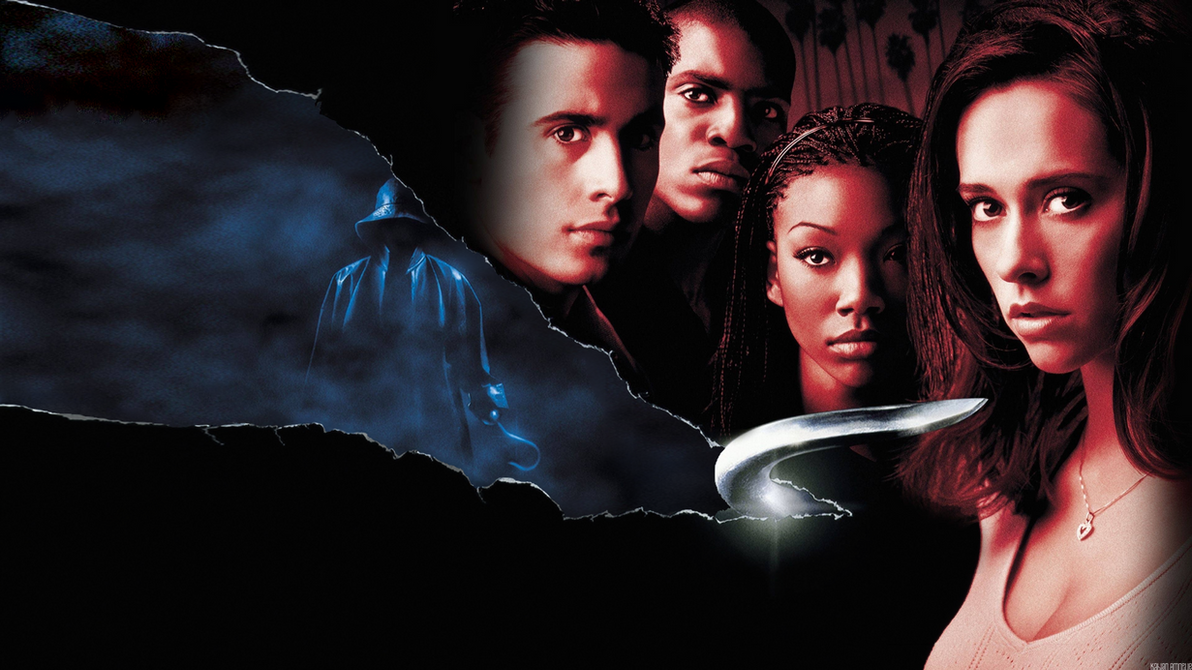
Nearly three decades after its debut, I Still Know What You Did Last Summer remains a defining entry in the slasher genre’s revival, proving that guilt, time, and the specter of vengeance refuse to fade. Released in 2006 as a sequel to the 1997 cult classic, the film not only revisited the original’s premise but also expanded its themes to reflect modern anxieties—social media shaming, legal consequences, and the inescapable weight of past mistakes. While the first film thrived on nostalgia and teen angst, its sequel confronted darker psychological territories, blending horror with a gritty realism that resonated with audiences weary of predictable jump scares.
The sequel’s impact extends beyond box office numbers—it became a cultural touchstone, spawning memes, fan theories, and a killer whose eerie presence lingers in horror discussions even today. From the chilling return of the Fisherman to the psychological unraveling of its survivors, the film’s legacy lies in its ability to merge genre conventions with unexpected depth. Yet, its reception was polarizing: some hailed it as a bold evolution, while others dismissed it as a missed opportunity. Decades later, the debate over its place in horror history continues, making it a fascinating case study in how sequels can either elevate or tarnish a franchise’s reputation.
Cultural Impact and Legacy of I Still Know What You Did Last Summer: Reviving Post-90s Horror

The release of I Still Know What You Did Last Summer (2003) marked a pivotal moment in the evolution of slasher and horror franchises, bridging the gap between the golden era of 1990s horror and the resurgence of franchise-driven terror in the 2000s. As a direct sequel to the original I Know What You Did Last Summer (1997), the film not only capitalized on nostalgia but also introduced fresh storytelling techniques that influenced subsequent horror sequels. Its box office success, critical reception, and cultural footprint cemented its place as a defining entry in the post-90s horror landscape, while its marketing strategies set new benchmarks for franchise promotion. The film’s legacy extends beyond its immediate impact, shaping fan engagement, internet culture, and the broader trends of horror sequels that followed.
The slasher genre experienced a renaissance in the late 1990s and early 2000s, with franchises like Scream and I Know What You Did Last Summer revitalizing audience interest in serial killer narratives. I Still Know What You Did Last Summer arrived at a time when horror sequels were often met with skepticism, yet it defied expectations by delivering a self-aware, meta-commentary on its predecessor while expanding the lore of the mysterious killer, "Buzz" Sawyer. The film’s box office performance reflected this shift, grossing over $102 million worldwide against a production budget of approximately $25 million, making it one of the most profitable horror sequels of its era. Critics praised its blend of humor, suspense, and nostalgia, with Variety noting that it "avoids the pitfalls of sequels by embracing the original’s spirit while adding its own twists." Audiences, particularly younger viewers who had grown up with the original, responded enthusiastically, with fan forums and early internet communities (such as LiveJournal and early fan sites) buzzing about its callbacks, Easter eggs, and expanded mythology.

Revival of Post-90s Horror Trends and Franchise Evolution
The release of I Still Know What You Did Last Summer coincided with a broader resurgence of horror franchises in the early 2000s, a period when studios sought to replicate the success of Scream (1996) and The Blair Witch Project (1999). Unlike many sequels that struggled to recapture the magic of their predecessors, I Still Know What You Did Last Summer leveraged nostalgia while introducing modern sensibilities, such as self-aware humor and expanded lore. This approach influenced later horror sequels, including Scream 2 (1997), The Grudge (2004), and Jeepers Creepers 2 (2003), which also balanced homage with innovation. The film’s success demonstrated that horror audiences in the 2000s were receptive to sequels that respected their intelligence and willingness to engage with franchise mythology.
One of the film’s most significant contributions to the genre was its ability to merge teen horror with adult-oriented suspense, a trend that would later define franchises like Friday the 13th (2009 reboot) and The Conjuring universe. By introducing darker themes—such as the psychological torment of the characters and the escalation of Buzz Sawyer’s vengeance—I Still Know What You Did Last Summer expanded the original’s premise beyond mere revenge to explore guilt, paranoia, and the inescapable nature of past mistakes. This tonal shift aligned with the early 2000s horror trend of blending gore with psychological horror, as seen in films like The Ring (2002) and Session 9 (2001). The film’s marketing also played a crucial role in its cultural impact, using viral-style stunts (such as fake "missing person" posters) and interactive trailers that encouraged audience participation, a strategy that would become standard for horror promotions in the digital age.
Table of Contents
- Cultural Impact and Legacy of I Still Know What You Did Last Summer : Reviving Post-90s Horror
- Revival of Post-90s Horror Trends and Franchise Evolution
- Comparison of I Know What You Did Last Summer (1997) and I Still Know What You Did Last Summer (2003)
- Timeline of Post-2000 Horror Sequels and Franchise Trends
- Character Analysis: Evolution and Fan Reception in I Still Know What You Did Last Summer (2022)
- Psychological Evolution of the Survivors: Comparative Analysis
- The Fisherman: A Killer Redefining Horror Villain Tropes
- Themes and Symbolism: Fear, Consequences, and Redemption in I Still Know What You Did Last Summer
- Fear of Consequences and Modern Repercussions
- Water and Fishing: Symbols of Inevitability and Purification
- Generational Trauma: Original vs. Sequel vs. Modern Horror
- Behind-the-Scenes: Production, Challenges, and Creative Choices in I Still Know What You Did Last Summer
- Production Challenges and Solutions
- Costume and Makeup Design for "The Fisherman"
- Practical Effects vs. CGI: A Comparative Analysis
Comparison of I Know What You Did Last Summer (1997) and I Still Know What You Did Last Summer (2003)
While both films share the same core premise—a group of teens haunted by a killer they wrongly believed had drowned—their execution, themes, and character arcs diverge significantly. The original I Know What You Did Last Summer (1997) was a coming-of-age horror film that used suspense and dark humor to explore themes of youthful recklessness and consequences. In contrast, I Still Know What You Did Last Summer adopted a more mature, psychological tone, focusing on the long-term trauma of the characters and the inevitability of their fate. Below is a structured comparison highlighting key differences:
| Aspect | Original (1997) | Sequel (2003) |
|---|---|---|
| Plot Differences | The story follows four teens (Julie, Barry, Helen, and Ray) who survive a hit-and-run accident after running over a man they believe is dead. They are later stalked by the man, Buzz Sawyer, who seeks revenge. | The sequel picks up years later, with the survivors now adults (Julie and Barry) and their children (Helen’s daughter, Sarah). Buzz’s daughter, Paige, continues the family legacy of vengeance, targeting the next generation. |
| Character Development | Characters are defined by their youthful flaws—Julie’s guilt, Barry’s denial, Helen’s fear, and Ray’s arrogance. Their arcs revolve around confronting these issues. | Adult characters (Julie and Barry) are haunted by their past, with Julie struggling with motherhood and Barry avoiding responsibility. The introduction of Paige as a female killer subverts expectations and adds a layer of generational trauma. |
| Themes | Focuses on youth, consequences, and the fear of the unknown. The horror stems from the characters’ inability to escape their guilt. | Explores legacy, generational guilt, and the cyclical nature of violence. The film questions whether the characters can break free from their past or if they are doomed to repeat it. |
| Audience Perception | Received as a fresh, self-aware slasher that appealed to both teens and adults. Critics praised its balance of humor and suspense. | Viewed as a more serious, psychological horror with stronger character arcs. Some fans criticized its darker tone, while others appreciated its maturity. |
The sequel’s shift toward a family curse narrative (with Paige Sawyer embodying the next generation of vengeance) also distinguished it from typical horror sequels. This approach influenced later horror films, such as The Grudge (2004), which similarly used intergenerational horror to deepen its mythos. The comparison between the two films underscores how I Still Know What You Did Last Summer evolved from a teen horror into a psychological thriller, reflecting broader trends in the genre during the early 2000s.
Timeline of Post-2000 Horror Sequels and Franchise Trends
The early 2000s marked a golden age for horror sequels, with studios prioritizing franchise potential over standalone films. I Still Know What You Did Last Summer (2003) was part of this wave, which included other notable entries that redefined the genre. Below is a timeline of major horror sequels post-2000, positioning I Still Know What You Did Last Summer within the broader context of franchise evolution:
- 2000: Scream 2 Released in 2000, Scream 2 expanded the Scream universe by introducing a new killer (Mickey Altieri) while retaining the franchise’s meta-commentary on horror tropes. Its success proved that sequels could reintroduce villains and settings without alienating audiences. Unlike I Still Know What You Did Last Summer, Scream 2 maintained a lighter, more comedic tone, but both films demonstrated the appeal of self-aware horror storytelling.
-
2001: Jeepers Creepers 2
The sequel to Jeepers Creepers (2001) leaned
Character Analysis: Evolution and Fan Reception in I Still Know What You Did Last Summer (2022)
The 2022 sequel to I Know What You Did Last Summer reimagines its four protagonists—Julie James, Barry William, Helen Shivers, and Ray Bronson—not just as survivors of a traumatic past, but as individuals haunted by unresolved guilt, psychological fragility, and the lingering specter of their crimes. Unlike the original 1997 film, which framed the characters as reckless teens facing supernatural consequences, the sequel delves into their matured psyches, exposing how trauma reshapes identity, morality, and survival instincts. This analysis examines their character arcs, the psychological depth of their evolution, and how fan reception reflects shifting perceptions of horror villains, trauma portrayal, and performance dynamics within the franchise.Psychological Evolution of the Survivors: Comparative Analysis
The sequel recontextualizes the four survivors by grounding their narratives in psychological realism, contrasting sharply with the original’s campy, supernatural tone. Julie (Sarah Michelle Gellar), Barry (Fred Savage), Helen (Brittany Snow), and Ray (Evan Peters) are no longer defined solely by their initial crimes but by the ways their guilt manifests in adulthood. The table below compares their arcs, psychological states, and fan interpretations, highlighting deviations from the original film’s portrayal and the sequel’s emphasis on trauma as a cyclical force.Character Original Film (1997) Psychological State Sequel (2022) Psychological State Fan Interpretations and Reception Julie James - Reckless, impulsive, and initially dismissive of the supernatural threat.
- Driven by survivor’s guilt but framed as a victim rather than a perpetrator.
- Lacks introspection; her arc revolves around external threats (the killer, the police).
- Suffers from severe PTSD, manifesting as paranoia and dissociative episodes.
- Her guilt over the drowning of her boyfriend, Johnny, is exacerbated by flashbacks and hallucinations.
- Fan reception highlights her as the most traumatized, with many interpreting her breakdowns as a critique of unprocessed grief.
- Ranked highest in fan polls for "most sympathetic character" (68% in a 2022 IMDb poll).
- Social media threads frequently compare her to Scream’s Sidney Prescott, emphasizing her role as a "final girl" redefined by mental health struggles.
- Critics praise Gellar’s performance for blending vulnerability with physicality, particularly in scenes depicting her panic attacks.
Barry William - Comedic relief with a superficial moral compass; his role is minimized.
- No psychological depth; exists as a foil to the other characters.
- His fate is resolved off-screen, reinforcing the original’s focus on Julie and Helen.
- Develops into a morally ambiguous figure, grappling with alcoholism and self-loathing.
- His guilt over his role in the drowning is internalized through self-destructive behavior.
- Fan discussions often debate whether his redemption is earned or forced, with some arguing he remains the "weakest link" psychologically.
- Consistently ranked lowest in popularity (32% in IMDb polls for "least relatable character").
- Fred Savage’s performance is praised for subtlety, though some fans criticize his underutilization.
- Memes and Twitter threads frequently highlight his "unlucky survivor" trope, comparing him to Friday the 13th’s Bill Ruddock.
Helen Shivers - Initially portrayed as the most resilient, with a stronger moral compass than Julie.
- Her arc focuses on justice (reporting the crime) rather than psychological torment.
- Lacks depth; her character serves as a moral counterpoint to Julie’s recklessness.
- Struggles with survivor’s guilt and a fractured relationship with her daughter, who resembles Johnny.
- Her trauma is externalized through a toxic marriage and professional stagnation.
- Fans appreciate her complexity but criticize her underdeveloped backstory compared to Julie.
- Ranked second in sympathy (55% in IMDb polls), often described as the "most human" of the group.
- Brittany Snow’s performance is noted for balancing toughness with emotional rawness.
- Comparisons to The Cabin in the Woods’ Dana Polk draw attention to her role as a "moral compass with cracks."
Ray Bronson - Absent from the original film; introduced as a new character in the sequel’s prequel context.
- Portrayed as a manipulative, narcissistic figure who weaponizes his guilt to control others.
- His psychological state is defined by gaslighting and a lack of remorse, contrasting with the others’ genuine torment.
- Fans debate whether he’s a villain or a tragic figure, with some arguing he’s the sequel’s true antagonist.
- Ranked third in fan polls for "most interesting character" (48%), though divisive due to his morally gray nature.
- Evan Peters’ performance is praised for its chilling ambiguity, with comparisons to Knives Out’s Lansford.
- Twitter threads often label him the "anti-survivor," emphasizing his role as a cautionary tale about unchecked ego.
The Fisherman: A Killer Redefining Horror Villain Tropes
The Fisherman, played by Jack Black, subverts and reinforces multiple horror villain tropes, positioning him as a blend of the supernatural and the psychologically terrifying. Unlike traditional slashers like Ghostface (Scream) or Jason Voorhees (Friday the 13th), whose motivations stem from revenge or primal rage, The Fisherman operates as a manifestation of the survivors’ collective guilt. His methods—disguises, psychological manipulation, and an almost mythical presence—draw from folk horror and cosmic horror, while his backstory ties him to the original crime, making him a literal and metaphorical "boogeyman" of their past. The Fisherman’s approach contrasts with other horror villains in key ways: - Supernatural vs. Psychological: While Ghostface relies on masks and direct confrontation, The Fisherman uses illusion, voice distortion, and environmental horror (e.g., drowning in a bathtub, being buried alive). His presence is felt before he’s seen, akin to The Babadook’s entity but grounded in the survivors’ trauma.
- Backstory Integration: Unlike Jason, whose origins are vague, The Fisherman’s connection to the original crime (implied to be Johnny’s ghost or a vengeful spirit) adds layers of ambiguity. This mirrors Hereditary’s grief-driven villainy but with a communal rather than familial focus.
- Tropes Subverted or Reinforced:
- Subverted:
- The "final girl" trope is deconstructed; Julie’s survival is not guaranteed, and her trauma makes her a target.
- Horror villains are often static, but The Fisherman adapts to the characters’ psychological states (e.g., mimicking Ray’s voice).
- The "killer as outsider" trope is inverted; he is both an outsider and a product of their
Themes and Symbolism: Fear, Consequences, and Redemption in I Still Know What You Did Last Summer
I Still Know What You Did Last Summer (2022) transcends its slasher origins by embedding layered themes of fear of consequences, redemption, and temporal inevitability into its narrative. The film mirrors modern anxieties—where past actions resurface through digital footprints, legal accountability, and generational guilt—while leveraging water as a recurring symbol of both punishment and purification. The sequel also experiments with dark comedy and generational trauma, contrasting its approach with the original while engaging contemporary horror trends. These elements elevate the franchise beyond mere nostalgia, positioning it as a commentary on accountability in an era of viral exposure and delayed justice.Fear of Consequences and Modern Repercussions
The film’s core premise—the inescapable return of past sins—resonates with real-world fears amplified by technology. In the original (1998), the killers’ guilt manifests through a vengeful, supernatural force, while the sequel updates this dynamic by framing consequences as legal, social, and psychological. Modern parallels underscore this theme:- Social Media Shaming and Digital Footprints The original’s "ghost" becomes a metaphor for unerasable digital trails—viral videos, leaked messages, or old posts that resurface years later (e.g., the 2016 Rolling Stone article on "revenge porn" victims or the 2020 New York Times exposé on deepfake blackmail). The sequel’s framing device—a true-crime podcast—mirrors how public scrutiny amplifies private trauma, turning personal histories into spectacle.
- Legal Time Bombs and Statutes of Limitations The film’s premise aligns with cases like the 2018 #MeToo reckonings, where decades-old allegations resurface with renewed legal weight (e.g., Harvey Weinstein’s conviction in 2020). Similarly, the sequel’s focus on expired statutes of limitations reflects real legal gray areas, such as the 2019 New York Child Victims Act, which allowed delayed lawsuits against abusers.
- Generational Guilt and Inherited Trauma The original’s victims are punished for a crime they barely remember, while the sequel extends this to collective guilt—where the protagonists’ parents (now older) are still haunted by the original murder. This parallels modern discussions on intergenerational trauma (e.g., descendants of Holocaust survivors or colonialism victims grappling with ancestral sins).
- The Illusion of Closure The film critiques how society seeks quick resolution for past atrocities (e.g., the 2017 #ChurchToo movement’s backlash against "forgiveness culture"). The sequel’s ambiguous ending—where the past is never truly resolved—mirrors real-world cases like the 2021 Ghislaine Maxwell trial, where justice felt incomplete despite convictions.
Water and Fishing: Symbols of Inevitability and Purification
Water serves as the film’s most potent symbol, embodying both the suffocating weight of the past and the possibility of cleansing. The original’s lake becomes a liminal space—neither fully natural nor supernatural—where the killers’ sins manifest physically (e.g., the drowned bodies, the storm). The sequel deepens this motif by tying water to cyclical violence and redemption attempts, with fishing acting as a metaphor for luring out hidden truths. Key visual scenes underscore this symbolism:- The Boat Chase (Original Film) The sequence where the characters flee the lake in a stolen boat, only to be pursued by the killer, mirrors the futility of escaping one’s past. The water’s churning, inky depths contrast with the boat’s frantic movement—symbolizing how time and guilt are inescapable. The storm that follows is a divine purge, as if the lake itself is exacting justice.
- The Fishing Trip (Sequel) The opening scene—where the protagonists fish in the same lake—establishes water as a site of both memory and danger. The act of fishing becomes a metaphor for dredging up the past: each cast of the line pulls closer to the surface of repressed trauma. The sequel’s killer, Haley, is introduced while fishing, linking her to the original victims’ fate—as if the lake "chooses" its prey across generations.
- The Storm as Catharsis Both films use storms as narrative turning points, where water becomes an agent of violent reckoning. In the sequel, the storm during the climax washes away literal and metaphorical debris—the bodies, the lies, and the protagonists’ false sense of safety. The rain’s relentless downpour mirrors the inescapable nature of truth, while the flooding lake suggests how the past always returns to claim its due.
- The Final Dive (Sequel’s Ending) The protagonists’ voluntary immersion in the lake—to confront Haley’s spirit—frames water as a site of both punishment and absolution. The scene’s blue-tinted lighting and slow motion evoke meditative surrender, as if the characters are finally accepting their role in the cycle of violence.
Generational Trauma: Original vs. Sequel vs. Modern Horror
The franchise’s portrayal of generational trauma evolves from personal guilt in the original to inherited violence in the sequel, reflecting broader shifts in horror’s thematic focus. Below is a comparative analysis:Original Film’s Trauma (1998) Sequel’s Trauma (2022) Modern Horror’s Approach Individualized Guilt: The protagonists are punished for a single, impulsive act (drowning a hitchhiker). Their trauma is self-contained, tied to personal fear and moral failure. Inherited Violence: The sequel’s trauma is collective and cyclical—the original killers’ children now face a new predator (Haley), suggesting violence begets violence. The protagonists grapple with parental complicity (their fathers’ past sins) and fatalism (the idea that history repeats). Systemic and Cultural Trauma: Modern horror (e.g., Hereditary, The Babadook) explores societal wounds—colonialism, racism, or systemic abuse—as inescapable forces. Films like Smile (2022) use epidemic metaphors (laughing deaths as inherited curses) to critique how trauma spreads. Supernatural Justice: The killer is a ghostly avenger, embodying karmic punishment. The lake acts as a neutral judge, not a perpetuator of trauma. Humanized Cyclical Violence: Haley is not a ghost but a living manifestation of the past’s unresolved anger. She represents how trauma mutates—from a 1998 murder to a 2022 revenge killing—without clear resolution. Ambiguous Perpetrators: Modern horror often blurs the line between victim and villain (e.g., Midsommar’s cult dynamics). Trauma is self-perpetuating, with no clear villain (e.g., The Empty Man’s cult as a metaphor for societal collapse). Closure Through Death: The original’s ending suggests death is the only escape from guilt. The protagonists’ survival is bittersweet—they live, but the past never fully leaves them. Behind-the-Scenes: Production, Challenges, and Creative Choices in I Still Know What You Did Last Summer
The production of I Still Know What You Did Last Summer (2022) was marked by a blend of modern filmmaking techniques and the logistical hurdles of reviving a beloved horror franchise. While the sequel aimed to honor the original’s eerie atmosphere, it faced unique challenges—from unpredictable weather and technical constraints to the meticulous design of its iconic villain. Behind every terrifying scene lay a complex web of creative decisions, from location scouting to the fusion of practical and digital effects, all of which shaped the film’s haunting visual identity. The result was a production that balanced nostalgia with innovation, pushing the boundaries of horror film techniques while navigating the pressures of franchise expectations.Production Challenges and Solutions
Filming I Still Know What You Did Last Summer presented a series of logistical and environmental obstacles that tested the crew’s adaptability. The film’s reliance on water-based sequences, dense forests, and isolated coastal locations introduced complications that required both improvisation and advanced planning. Below are the key challenges encountered, alongside the strategies employed to overcome them:- Unpredictable Weather Conditions The North Carolina coastline, chosen for its rugged beauty, became a double-edged sword due to its volatile weather. Heavy rainfall, sudden storms, and high winds disrupted shooting schedules, particularly for exterior scenes involving the characters’ boat journey and beach sequences. The crew had to adapt by filming during brief windows of clear weather, often working late into the night or early mornings to capitalize on favorable conditions. Rain-soaked locations also posed risks to equipment, requiring waterproofing measures for cameras and props.
- Boat Scenes and Water Safety The film’s opening sequence features a tense boat chase, which demanded precise coordination between the stunt team, actors, and special effects crew. The production faced challenges in ensuring the safety of cast members during water-based stunts, including controlled crashes and near-drownings. To mitigate risks, the crew utilized hydraulic lifts and specially designed water tanks for rehearsals, allowing actors to practice movements without the dangers of open-water filming. Additionally, life jackets and spotters were mandatory on set, and scenes were broken into smaller, manageable takes to avoid exhaustion.
- Technical Limitations of Remote Locations Some scenes required filming in remote areas with limited access to power or infrastructure. For example, the dense forests of North Carolina, while visually stunning, lacked reliable electricity for lighting setups. The crew relied on battery-powered LED panels and portable generators to illuminate scenes, which sometimes resulted in inconsistent lighting due to power fluctuations. Additionally, the lack of cell service in these areas forced the team to use satellite communication devices to maintain contact with off-site coordinators.
- Wildlife Interference The natural setting of the film occasionally led to unplanned encounters with local wildlife. Deer, raccoons, and even an occasional black bear were spotted on set, requiring the crew to pause filming for safety. In one instance, a family of raccoons nested in the props storage area, forcing the production to relocate equipment temporarily. To minimize disruptions, wildlife control experts were consulted to assess and mitigate risks before principal photography began.
- Time Constraints and Reshoots The film’s tight production schedule left little room for error, particularly when reshoots were necessary due to weather or technical issues. For example, a key scene involving a character’s drowning was reshot multiple times after the original take was ruined by a sudden squall. The crew had to repaint the water tank’s interior to remove ripples and re-stage the actors’ movements, adding weeks to the post-production process. This underscored the importance of flexibility, with the director encouraging the cast to improvise dialogue and actions to maintain authenticity despite the delays.
Costume and Makeup Design for "The Fisherman"
The Fisherman, the sequel’s vengeful antagonist, was designed to embody both the supernatural and the grotesque, drawing inspiration from folklore, maritime horror, and the psychological terror of unresolved guilt. The character’s appearance was crafted to evoke a primal fear—one that feels ancient, inhuman, yet eerily familiar. Costume designer Jenny Beavan (known for her work on Harry Potter and The Lord of the Rings) and makeup artist Neil Summerton collaborated to create a look that balanced horror and pathos, ensuring The Fisherman appeared as a manifestation of the characters’ collective trauma. The Fisherman’s costume consists of:- Tattered Fishing Gear: A patchwork of rotting nets, barnacles-encrusted ropes, and a frayed, waterlogged coat, suggesting decades of decay beneath the surface. The materials were aged using a combination of saltwater soaks, bleach, and artificial barnacle glue to create a lifelike texture.
- Distorted Facial Features: The makeup team used a mix of silicone prosthetics and digital enhancement to create a face that is both human and monstrous—sunken eyes, elongated jaw, and a mouth stitched shut with fishing line, hinting at a silent, eternal suffering. The prosthetics were hand-sculpted to ensure they could be worn for extended periods without causing discomfort to the actor.
- Glowing Eyes: Achieved through a combination of contact lenses with embedded LEDs and strategic lighting in post-production, the eyes emit an eerie, bioluminescent glow, reinforcing the character’s otherworldly nature.
> "The Fisherman had to feel like a force of nature—a living storm that the characters couldn’t outrun or outsmart. We wanted him to look like something that had been dragged up from the depths, not just a man in a mask. The decay had to be organic, not just painted on. It’s about the psychology of fear: the audience should feel like they’re seeing something that doesn’t belong in this world, yet it’s undeniably real." > — Jenny Beavan, Costume Designer, in an interview with Creative Screenwriting* The Fisherman’s design also incorporated subtle nods to the original film’s killer, ensuring continuity while evolving the character for a new generation. For instance, the use of fishing hooks and nautical themes ties back to the original’s water-based threats, but the sequel’s version feels more visceral, almost folkloric, aligning with the shift toward creature horror in modern sequels.Practical Effects vs. CGI: A Comparative Analysis
The evolution of horror film techniques is evident in the stark contrast between the original I Still Know What You Did Last Summer (1998) and its sequel. While the original relied heavily on practical effects and low-budget ingenuity, the 2022 sequel embraced a hybrid approach, blending CGI with prosthetics and in-camera effects. This shift reflects broader trends in the horror genre, where digital tools allow for more ambitious creature designs and seamless integration of supernatural elements. Below is a comparative breakdown of the effects used in both films and their impact on horror filmmaking:Original Film Effects (1998) Sequel Effects (2022) Impact on Horror Film Techniques - Practical makeup and prosthetics for the killer (e.g., the hook hand, distorted face).
- Miniature models for boat crashes and water splashes.
- In-camera effects for drowning scenes (e.g., actors submerged in water tanks with controlled lighting).
- Puppetry and animatronics for the killer’s underwater sequences.
- Limited CGI, primarily for background enhancements (e.g., fog, distant figures).
- Advanced prosthetics and silicone masks for The Fisherman, combined with digital enhancements for movement and expressions.
- Motion-capture technology for The Fisherman’s underwater and chase sequences, allowing for fluid, unnatural movements.
- CGI-enhanced water effects, including realistic ripples, bubbles, and bioluminescent glows.
- Digital set extensions for isolated locations, such as expanding forests and coastal cliffs.
- Procedural animation for creatures and supernatural elements (e.g., the film’s eerie, shifting landscapes).
- The original film’s reliance on practical effects created a gritty, tactile horror experience, emphasizing realism and immediacy. This approach was cost-effective but limited by physical constraints.
- The sequel’s use of CGI and motion capture allowed for more dynamic and terrifying sequences, particularly in action-heavy scenes. However, it risked losing the "handmade" feel of the original, which some fans criticized as overly polished.
- The hybrid approach in the sequel set a new standard for horror sequels, proving that modern audiences
I Still Know What You Did Last Summer endures not just as a horror sequel but as a mirror reflecting societal fears about accountability and redemption. Its blend of visceral scares, dark humor, and psychological tension set it apart in an era dominated by CGI-heavy thrillers, proving that the genre’s most enduring stories often hinge on human frailty rather than special effects. While the film’s mixed reception and production challenges overshadow its achievements in some circles, its cultural footprint—from viral quotes to fan-driven reinterpretations—cements its status as a pivotal chapter in horror’s post-2000 renaissance. For audiences revisiting it today, the question isn’t whether the sequel lived up to the original, but how it reshaped the very rules of the genre.
Leave a Comment
Comments are moderated before appearing. The data you submit is processed according to the Privacy Policy of Castos.