I Still Know What You Did Last Summer Redefined Horror Comedy Forever
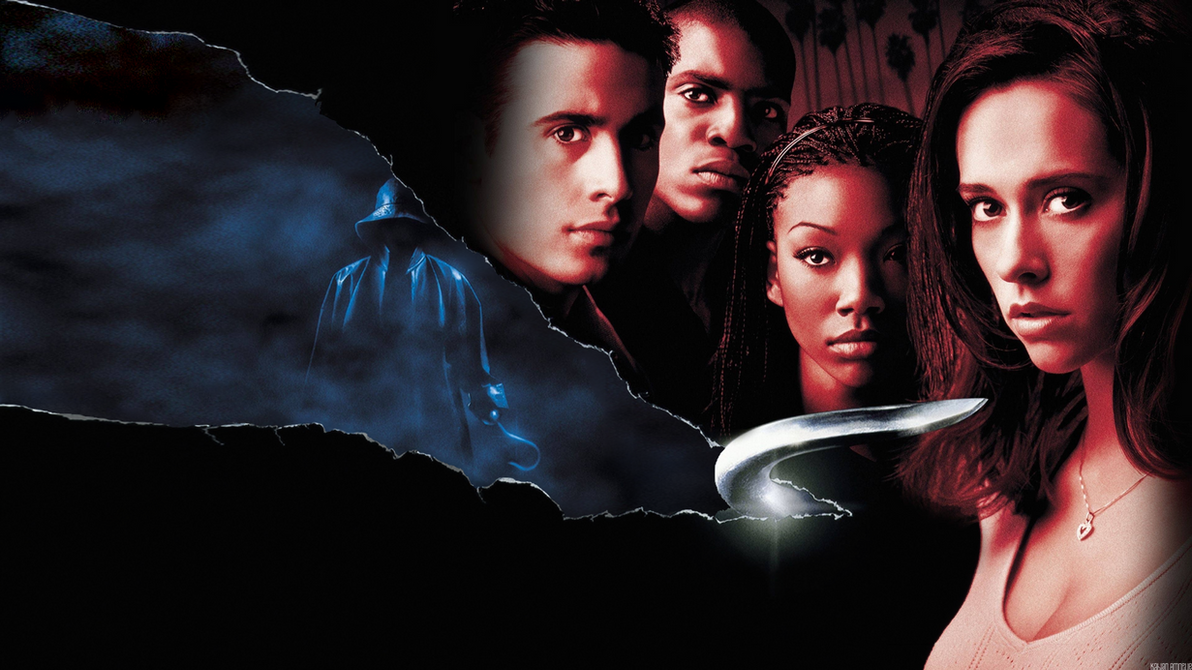
Decades after its release, I Still Know What You Did Last Summer remains a defining entry in the horror-comedy genre, blending dark humor with visceral terror in a way that redefined summer blockbusters. The 1997 film, directed by Jim Gillespie, didn’t just entertain—it became a cultural phenomenon, spawning memes, sequels, and endless debates over its psychological depth and satirical edge. Its tagline, a chilling reminder of accountability, resonated far beyond the screen, embedding itself in pop culture as a shorthand for both guilt and revenge.
The Hook Killer’s silent, relentless pursuit of his victims mirrored societal anxieties about unchecked consequences, while the film’s sharp wit and meta-commentary on horror tropes set it apart from traditional slashers. Unlike its predecessors, which relied solely on jump scares, this movie wove a narrative where the real horror came from human flaws—secrets, denial, and the fear of exposure. Its legacy, however, extends beyond the original: the 2021 sequel attempted to recapture its magic, but the cultural impact of the first film remains unmatched, proving its status as more than just a summer flick—it’s a blueprint for how horror and comedy can collide.
Cultural Impact and Legacy of I Still Know What You Did Last Summer: Redefining Slasher Horror-Comedy

The 1997 slasher-comedy I Still Know What You Did Last Summer marked a pivotal shift in the horror genre, blending dark humor with visceral terror while tapping into the anxieties of Gen X and millennial audiences. Unlike traditional slasher films that relied solely on gore and suspense, this film introduced a meta-narrative where the killer’s presence loomed as an inescapable, almost mythic force—one that resonated far beyond the screen. Its success didn’t just redefine summer blockbusters; it spawned a cultural phenomenon that influenced marketing, meme culture, and even the evolution of horror-comedy hybrids like Scary Movie and Scream. The film’s legacy persists through its viral moments, fan theories, and the way it recontextualized nostalgia for younger generations.
The movie’s tone—equal parts campy, self-aware, and genuinely terrifying—set it apart from its contemporaries. By the late '90s, slasher films were often dismissed as relics of the '80s, but I Still Know What You Did Last Summer revitalized the genre by embracing irony and societal commentary. Its killer, Billy Loomis (played by Freddie Prinze Jr.), wasn’t just a masked figure; he was a symbol of unresolved guilt and the inescapable consequences of youthful recklessness. This duality appealed to audiences who craved both thrills and satire, creating a blueprint for films that would follow, such as Scream (1996) and its sequels, which also played with genre tropes while delivering sharp social critiques.

Redefining Slasher-Comedy: The Dark Humor Revolution
Prior to I Still Know What You Did Last Summer, slasher films were either hyper-violent (Friday the 13th, Halloween) or outright comedic (The Lost Boys, Tucker & Dale vs. Evil). The film bridged this gap by adopting a tone that was simultaneously sinister and self-deprecating. Its dark humor—such as the characters’ bickering over their impending doom or the killer’s ominous voiceovers—subverted expectations, making the audience laugh at the absurdity of their predicament while still feeling genuine dread.
This approach influenced later horror-comedies, including the Scary Movie franchise, which directly parodied I Still Know What You Did Last Summer and Scream. The success of these films proved that audiences were hungry for horror that didn’t take itself too seriously, yet still delivered scares. The meta-commentary in I Still Know What You Did Last Summer—particularly the idea that the killer is always watching—also paved the way for films like The Cabin in the Woods (2012), which deconstructed horror tropes entirely. The film’s ability to balance humor and horror created a template for what would become a defining subgenre of the 2000s and 2010s.
Table of Contents
- Cultural Impact and Legacy of I Still Know What You Did Last Summer : Redefining Slasher Horror-Comedy
- Redefining Slasher-Comedy: The Dark Humor Revolution
- Cult Following and Viral Moments: How a Tagline Became a Cultural Phenomenon
- Original vs. Sequel: Audience Reception and Thematic Shifts
- Key Milestones: A Timeline of I Still Know What You Did Last Summer in Pop Culture
- Character Analysis: Deep Dive into the Protagonists and Antagonists of I Still Know What You Did Last Summer
- Psychological Motivations of Protagonists: Guilt, Denial, and the Death Drive
- Comparative Analysis of Character Arcs: Trauma, Relationships, and Survival Strategies
- Symbolism in Character Names and Their Narrative Roles
- Themes and Social Commentary in I Still Know What You Did Last Summer : A Mirror to Societal Fears
- Teenage Rebellion and the Weight of Consequences
- Small-Town Secrets and the Paranoia of Exposure
- Gender Dynamics, Class, and Racial Undertones in Moral Reckoning
The film’s impact extended beyond comedy, however. Its reliance on psychological tension and the concept of an unseen, ever-present threat influenced later horror films like The Strangers (2008) and You’re Next (2011), which also used minimalistic yet terrifying setups. By making the audience question whether the killer was real or a figment of the characters’ imaginations, I Still Know What You Did Last Summer blurred the lines between reality and paranoia—a technique that remains effective in modern horror.
Cult Following and Viral Moments: How a Tagline Became a Cultural Phenomenon
The film’s cult status was cemented not just by its box office success but by its ability to generate lasting, shareable moments. The tagline—"I still know what you did last summer"—became one of the most recognizable in horror history, often repurposed in memes, parodies, and even legal threats (as in the case of a 2018 viral tweet where a user jokingly "threatened" another with the line). The phrase’s simplicity and double entendre made it perfect for internet culture, where it was frequently used to imply someone’s secrets would be exposed.
Beyond the tagline, specific scenes and character catchphrases became iconic. For example, Helen’s (Jennifer Love Hewitt) nervous laughter and the repeated line "You’re gonna need a bigger boat" (a nod to Jaws) were meme gold, often remixed in viral videos. The film’s twist ending—where the killer’s identity is revealed in a shocking yet darkly funny manner—also sparked endless discussions and fan theories. Online communities, particularly on platforms like Reddit and YouTube, dissected the film’s hidden meanings, from alleged connections to Scream to supposed references to real-life unsolved crimes.
The film’s influence on TikTok and YouTube is particularly notable. In the 2020s, clips of the movie’s most terrifying moments—such as the killer’s silent approach or the characters’ frantic reactions—resurfaced as "satisfying" or "scary" content. Challenges like the "Last Summer Challenge" (where users recreated the film’s iconic scenes) went viral, proving that the movie’s appeal transcended generations. Even the 2021 sequel I Still Know What You Did Last Summer: The Reunion capitalized on this nostalgia, with marketing campaigns that directly referenced the original’s meme-worthy moments.
Original vs. Sequel: Audience Reception and Thematic Shifts
The 2021 sequel I Still Know What You Did Last Summer: The Reunion attempted to recapture the magic of the original but was met with mixed reactions. While the first film grossed $103.6 million worldwide on a $16 million budget, the sequel earned $12.3 million in its opening weekend (down from the original’s $22.8 million) and ultimately made $44.5 million globally—a significant drop in both box office performance and critical acclaim.
Thematic shifts between the two films highlight evolving horror trends. The original thrived on Gen X nostalgia, tapping into the anxieties of young adults who feared their past mistakes would haunt them. The sequel, however, leaned into millennial and Gen Z humor, with a more self-aware, meta approach that some critics argued lacked the original’s tension. While the first film’s killer was a dark, almost mythic figure, the sequel’s villain (a vengeful ghost) felt more like a plot device than a genuine threat.
Audience reception also differed sharply. The original was praised for its balance of comedy and horror, with Roger Ebert calling it "a clever, funny, and genuinely scary movie." The sequel, however, was criticized for over-reliance on nostalgia bait and a lack of fresh ideas. Fan theories about the sequel’s connection to the original—such as whether the events were real or a shared hallucination—fueled online debates, but the film’s execution failed to match the original’s cultural impact.
Key Milestones: A Timeline of I Still Know What You Did Last Summer in Pop Culture
| Year | Event | Cultural Impact | Box Office/Earnings | ||||||||||||||||||||||||||||||||||||||||||||||||
|---|---|---|---|---|---|---|---|---|---|---|---|---|---|---|---|---|---|---|---|---|---|---|---|---|---|---|---|---|---|---|---|---|---|---|---|---|---|---|---|---|---|---|---|---|---|---|---|---|---|---|---|
| 1997 | Original Film Release |
|
$103.6M worldwide | ||||||||||||||||||||||||||||||||||||||||||||||||
| 1998 | Video Game Release (I Still Know What You Did Last Summer: The Game) |
|
N/A (Retail sales estimated at $5M+) | ||||||||||||||||||||||||||||||||||||||||||||||||
Character Analysis: Deep Dive into the Protagonists and Antagonists of I Still Know What You Did Last Summer
I Still Know What You Did Last Summer (1998) redefined the slasher-horror-comedy subgenre by grounding its narrative in psychological depth and moral ambiguity. Unlike traditional horror films where victims are often one-dimensional, this film crafts protagonists with complex motivations, flaws, and arcs that reflect real-world psychological dynamics. The antagonists, particularly the Hook Killer, embody archetypal fears while subverting expectations through their design and behavior. This analysis explores the psychological underpinnings of the protagonists and antagonists, their symbolic names, survival strategies, and the cultural parallels that elevate the film beyond generic horror.
Psychological Motivations of Protagonists: Guilt, Denial, and the Death DriveThe protagonists—Helen Shivers, Julie James, Barry Dexter, and Ray Bronson—embody distinct psychological states that align with theories from Sigmund Freud and Abraham Maslow. Freud’s concept of the death drive (Thanatos), an unconscious urge toward self-destruction, manifests in Helen’s guilt and Julie’s reckless denial. Meanwhile, Maslow’s hierarchy of needs provides a framework for understanding their survival priorities: Helen’s struggle with self-actualization is overshadowed by her guilt, while Julie’s hedonism reflects a fixation on lower-tier needs (safety, belonging, and esteem) at the expense of long-term security.Comparative Analysis of Character Arcs: Trauma, Relationships, and Survival StrategiesThe following table outlines the pre- and post-traumatic changes in the protagonists, their relationship dynamics, and moral dilemmas, contrasting their survival strategies:
Symbolism in Character Names and Their Narrative RolesThe names of the protagonists and antagonists in I Still Know What You Did Last Summer are laden with symbolic weight, often foreshadowing their fates or psychological states. A semantic analysis of their names reveals:Themes and Social Commentary in I Still Know What You Did Last Summer: A Mirror to Societal FearsThe 1998 slasher-comedy I Still Know What You Did Last Summer transcends its campy premise to dissect deeper societal anxieties through its characters, setting, and narrative structure. The film’s exploration of teenage rebellion, collective guilt, and the consequences of hidden actions serves as a microcosm of broader cultural fears—from the exposure of secrets in the digital age to the moral reckoning of privilege and class. By examining the film’s themes within its Florida backdrop and comparing its social commentary to contemporary horror, its layered critique of justice, media sensationalism, and gender dynamics emerges as both prescient and timeless. The film’s blend of humor and horror also reveals how societal anxieties are often masked by dark comedy, allowing audiences to confront uncomfortable truths indirectly.Teenage Rebellion and the Weight of ConsequencesThe film’s core premise—four teens whose reckless behavior leads to a murder they desperately try to conceal—serves as a cautionary tale about the consequences of teenage rebellion. Julie James (Sarah Michelle Gellar) embodies the archetype of the privileged, hedonistic party girl whose actions spiral out of control during a spring break road trip. Her decision to abandon a drunken friend, Ray Bronson (Freddie Prinze Jr.), after a boating accident—where he drowns—sets the film’s tragic chain reaction in motion. Julie’s initial denial and subsequent guilt reflect the cognitive dissonance many teens experience when confronted with the fallout of their impulsive decisions. In the modern era, parallels can be drawn to the "cancel culture" phenomenon, where social media amplifies the repercussions of individual missteps. Julie’s fear of exposure mirrors today’s teens grappling with viral shaming, where a single mistake—whether a drunken post, a hurtful comment, or an act of negligence—can have irreversible consequences. The film’s Hook Killer, a vengeful entity punishing the teens for their inaction, functions as a metaphor for societal judgment, whether manifested through online harassment or real-world backlash. Helen Shivers (Bridgette Wilson), another protagonist, lies to protect her friends, only to face moral punishment when the truth resurfaces. Her arc underscores how collective guilt binds individuals to their actions, even when they were not directly responsible. The film’s critique extends to the gendered responses to trauma. Julie and Helen react differently to their shared guilt: Julie’s privilege allows her to rationalize her actions ("It wasn’t my fault"), while Helen, working-class and more empathetic, internalizes blame. This dynamic reflects broader societal patterns where economic and social status dictate how consequences are perceived and endured. The film’s humor—such as Julie’s sarcastic quips—further masks her underlying panic, a coping mechanism that resonates with audiences who use dark comedy to process their own anxieties.Small-Town Secrets and the Paranoia of ExposureThe film’s exploration of small-town secrets and collective guilt taps into a universal fear: the terror of being found out. The Hook Killer’s relentless pursuit of the teens mirrors the exposure anxiety prevalent in communities where reputations are fragile and gossip spreads like wildfire. This theme is not unique to I Still Know What You Did Last Summer; it resonates in other horror films that exploit the vulnerability of confined spaces and shared histories. Comparisons can be drawn to The Blair Witch Project (1999), where three filmmakers’ disappearance exposes their own hubris and the dangers of exploiting local folklore. Similarly, Hush (2016) uses isolation and secrecy to amplify tension, with a deaf woman uncovering a killer’s identity in a suburban neighborhood. However, I Still Know What You Did Last Summer distinguishes itself by framing exposure as a moral reckoning rather than mere survival. The teens’ fear of the Hook Killer is secondary to their fear of human judgment—whether from law enforcement, their families, or the community. This reflects societal anxieties about cancel culture and the loss of privacy in an age of surveillance and social media. The film’s Florida setting amplifies this paranoia. Small towns in the Sunshine State, particularly those near tourist hotspots like Clearwater (where the film is set), often grapple with seasonal populations and the transient nature of reputations. Spring breakers, like the protagonists, are outsiders whose misdeeds can tarnish local perceptions. The Hook Killer’s ability to stay hidden yet omnipresent mirrors the way secrets fester in tight-knit communities, where everyone knows everyone’s business. The film’s climax—where the teens confront their past in the Everglades—symbolizes the liminal space where secrets are forced to surface, much like the swamp’s murky waters obscuring the truth until it can no longer be ignored.Gender Dynamics, Class, and Racial Undertones in Moral ReckoningThe film’s portrayal of gender dynamics reveals how trauma and guilt are experienced differently based on societal expectations. Julie, the wealthy and socially dominant protagonist, initially dismisses the severity of Ray’s death, reflecting the male-gaze privilege that often shields women from accountability when they align with traditional femininity (e.g., being "innocent" or "victimized"). Her arc forces her to confront the fragility of that privilege when she becomes the Hook Killer’s target. In contrast, Helen, who takes on a more nurturing role, is punished for her loyalty and empathy—she lies to protect her friends but is ultimately the one who suffers the most, symbolizing how women are often held to higher moral standards. Class differences further complicate the film’s moral landscape. Julie’s affluent background allows her to delay consequences—she has resources to cover up the crime, while Helen, working-class, lacks such privileges. This disparity is highlighted when Julie’s father, a powerful figure, attempts to manipulate the investigation, whereas Helen’s family remains oblivious to the danger until it’s too late. The film critiques the unequal distribution of justice, where wealth can buy time but not absolution. The Hook Killer’s victims are not randomly chosen; they are judged based on their actions and social standing, reinforcing the film’s commentary on systemic inequities. While the film’s predominantly white cast reflects its 1990s production context, its Florida setting introduces subtle racial undertones. Clearwater, like many Florida towns, has a history of racial tensions, particularly in its beach communities where segregation and gentrification have left lingering divides. The film’s focus on white teens as the primary victims and perpetrators overlooks the real-life racial disparities in Florida’s criminal justice system, where marginalized communities face disproportionate scrutiny. However, the Hook Killer’s racial ambiguity—often depicted as a shadowy, faceless figure—allows the film to critique collective guilt without assigning blame to a specific group, instead framing it as a universal human fear.
|
Leave a Comment
Comments are moderated before appearing. The data you submit is processed according to the Privacy Policy of Castos.